
Yes, but does it wuther?
It's what all of us lovers of peat and gritstone are asking ourselves about Emerald Fennell's "Wuthering Heights" [900 words, 4 mins

When it comes to the UK’s hillwalking, it doesn’t get any harsher than the peat and gritstone of the South Pennines. It’s a place forever associated with Emily Brontë’s novel of 1847. So how does the 2026 film stack up?
Director Emerald Fennell warns us right from the outset, with the scare quotes “Wuthering Heights” included in the film title.1 This 2016 version is a ‘sort-of’ Wuthering Heights. It takes one element of the original story, the doomed lovers, drops everything else (no older brother Hindley, no Mr Lockwood though we don’t mind losing him, the younger Cathy quite literally dies stillborn). And expands those doomed lovers to the max, over 2 hours and 16 minutes of high colour and a bit of high camp.
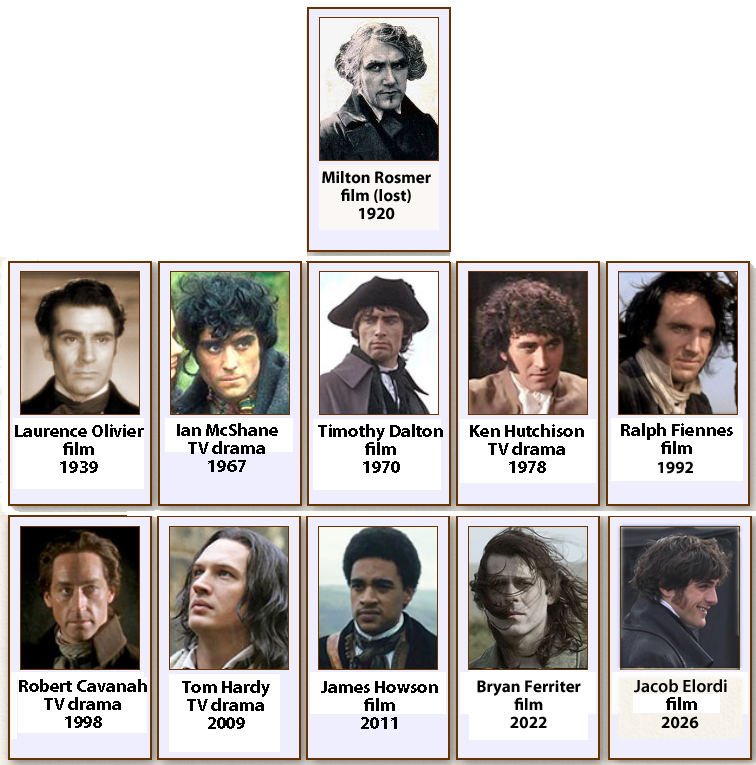
Is this a okay way to do it? With 10 (count them!) previous versions to choose among, from Laurence Olivier by way of Ralph Fiennes to James Howson: yes, of course it is.
So what didn’t I like?
Compared with the original, and despite deploying some fine actors over more than two hours, the characters are pared down and simplified. Mr Earnshaw, Cathy’s father and foster-father of Heathcliff, becomes a drunken brute with spectacularly bad teeth. Edgar Linton turns into a moral strongpoint, losing the weakness Emily Brontë gave him. The observing servant Nellie Dean is transposed into a ‘Jane Eyre’ kind of paid companion, a sort of spiteful bestie for Cathy. In a quirky interpretation, Isobel Linton becomes a BDSM-type willing participant in her own degradation.
Nevertheless, it's Emily rather than Emerald who has Heathcliff digging up the grave and breaking into the coffin in order to snog Kathy's dead body.
One thing that did annoy me, though, was a ‘Romeo and Juliet’ type plot point. Heathcliff overhears ‘to marry Heathcliff would degrade me.’ At which point he storms off on his horse for the next five years without stopping for the rest of the sentence: ‘…. but I will love him for ever.’ That’s a plot device straight out of Harry Potter (okay, Romeo & Juliet also involves half heard messages).
So “Wuthering Heights” reduces complexity to spectacle. If you love Emily Brontë’s original, you’re in for an annoying two and a quarter hours. If you like spectacle, then you’re going to enjoy this film. Because the spectacle is spectacular.
But, you are asking: what about the all-important question of Jacob Elordi’s skin tone?
Emily Brontë’s various narrators describe Heathcliff as ‘black’ – which in the early 19th century, means dark-complexioned and black-haired. He resembles a gypsy, or a lascar (a seaman from south-east Asia). In the context of the novel, he seems to be Mr. Earnshaw’s previously unacknowledged son by someone who was gypsy or Romany.
In the 2011 ’Wuthering Heights’ by Andrea Arnold, he is played by two Black actors, Solomon Glave (as a boy) and James Howson. In a 21st-century context that is a very valid way of conveying Heathcliff’s otherness. Indeed, as a lover of Emily Brontë’s original, that one is my preferred film version (I’ve only seen 4 of the 11). But it is not compulsory: Arnold herself looked for an actor of Romany ethnicity for the part.
Heathcliff’s alienation is also to do with social class. This aspect Emerald Fennell amplifies up to the max, transforming Thrushcroft Grange into a extravagant mid-Victorian opera set.2
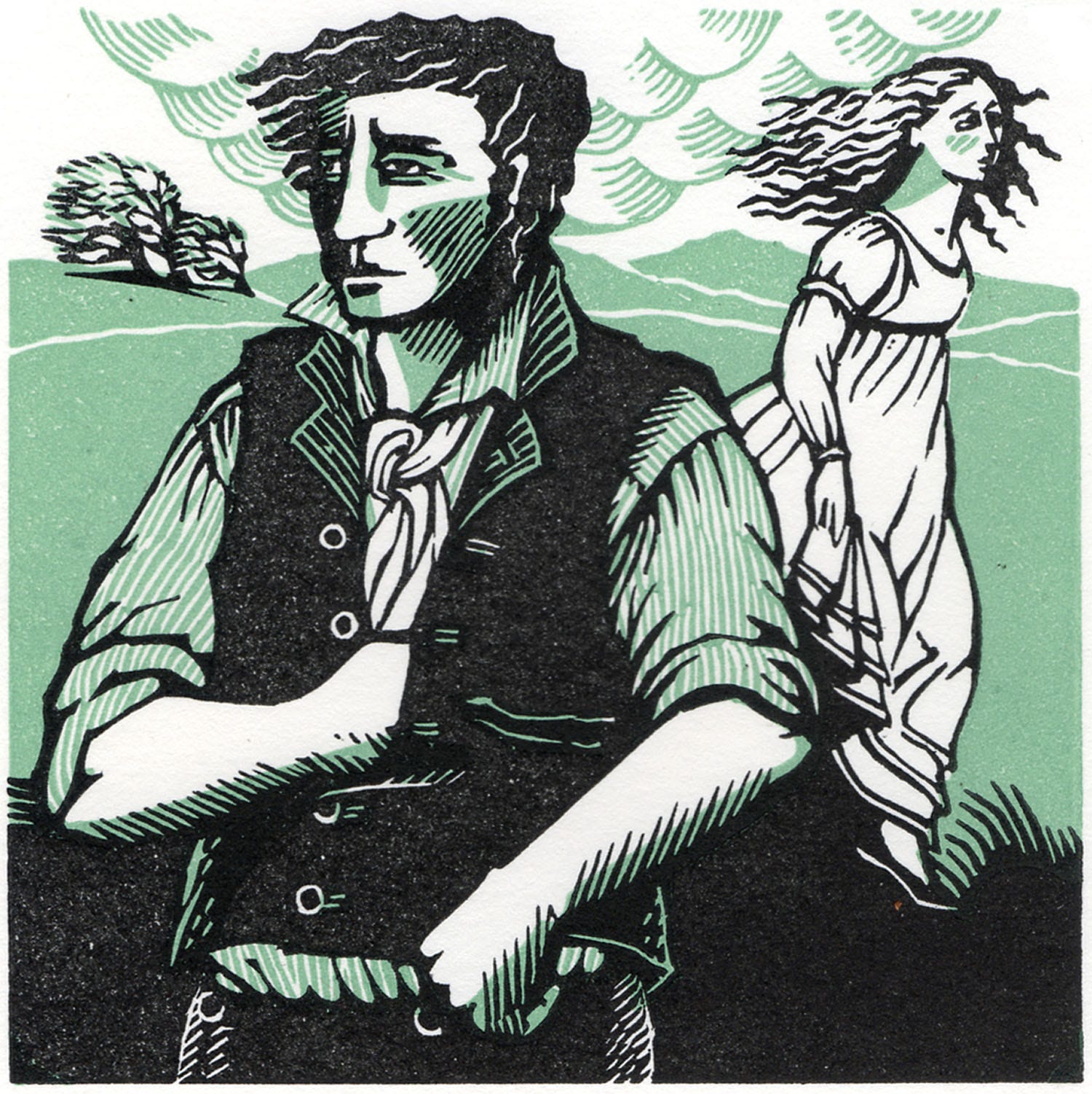
I’m very happy with Glave and Howson’s Black Heathcliff. But I’m equally happy with Ralph Feinnes’s or Jacob Elordi’s White one. And if anybody wants to cast Cathy and the Earnshaws as Asian against a White Heathcliff: that could work, I’d probably pay to watch that one.
So, to the two things I did like QQ about Emerald Fennell’s “Wuthering”. First off, it wuthered. It really did wuther. Driving rain, blood-red sunsets, huge and overblown emotions: Emily would have enjoyed it (it’s a 15 Certificate, she wouldn’t have been too freaked out by the sex scenes). Great costumes – not authentic in any way, but great. Great facial hair on Heathcliff. Great teeth on Martin Clunes.
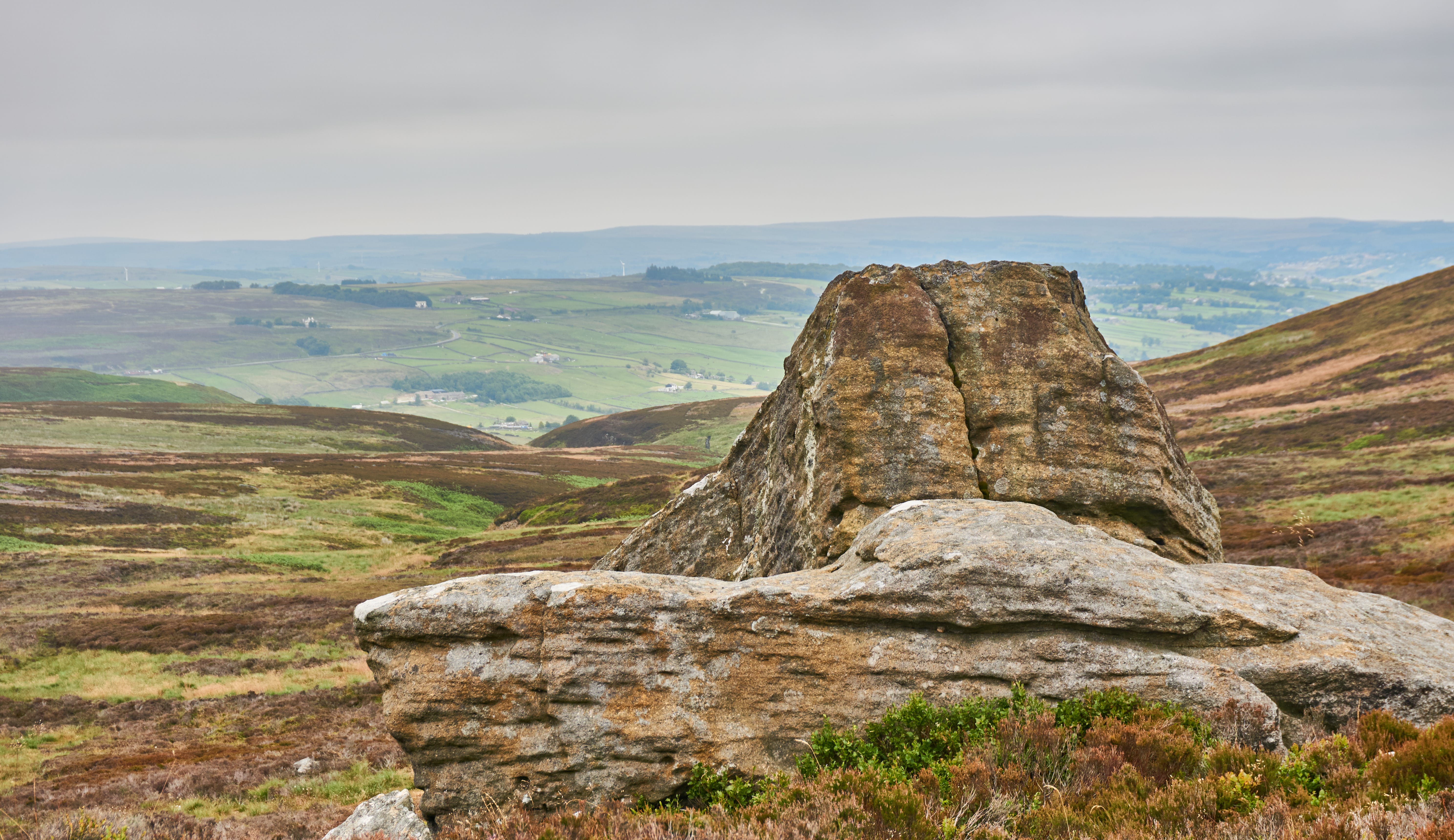
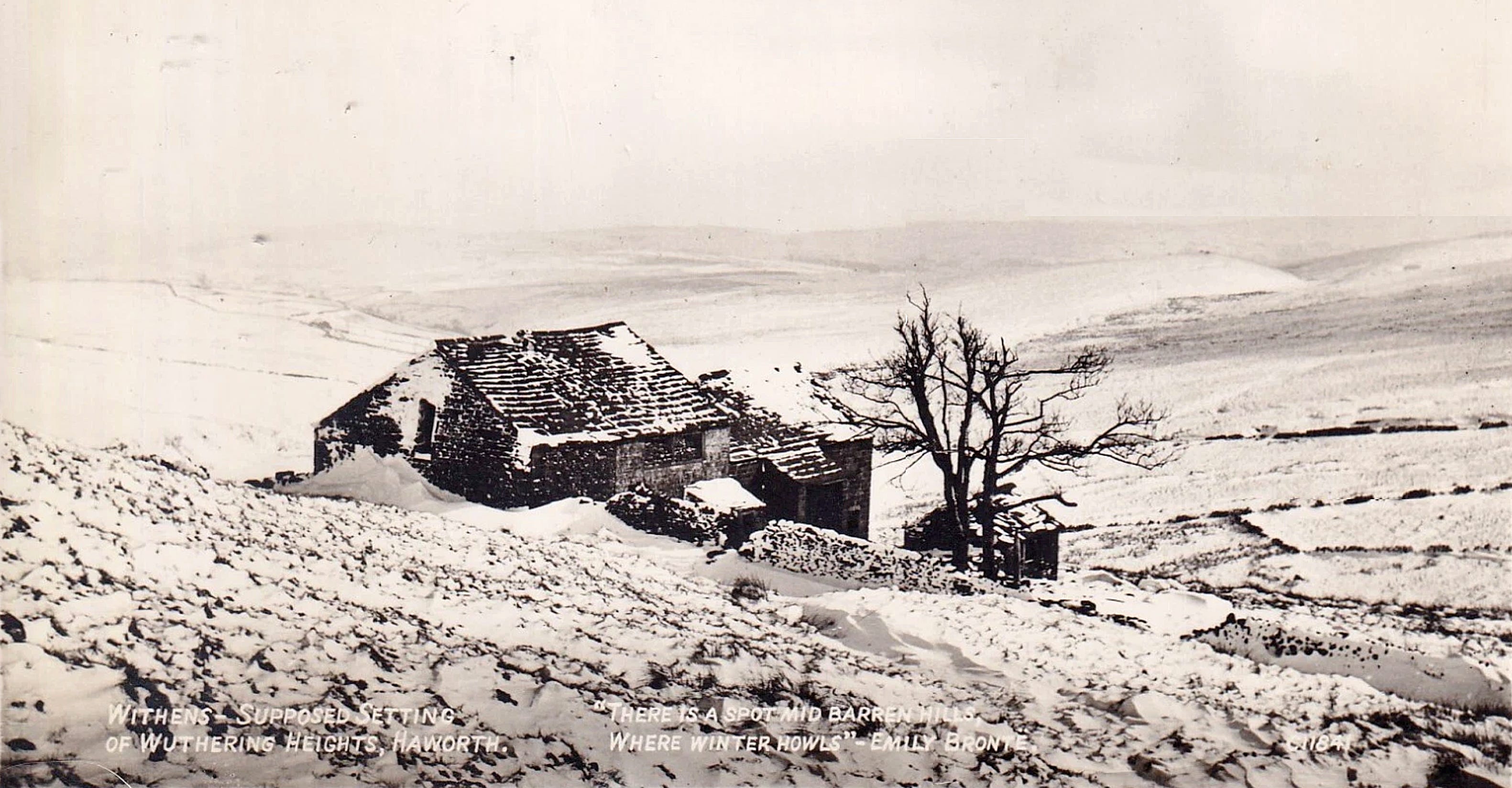
The other thing – well, you knew I was going to say this. The geology. It’s spot-on. Shot in Swaledale, gritstone cliffs and boulders like you’ve never seen them before. (Okay, some of them are made of fibreglass.) “My love for Heathcliff resembles the eternal rocks beneath: a source of little visible delight, but necessary,” says Cathy in Emily Brontë’s book. And that rock is the Millstone Grit, the brown but rain-blackened harsh sandstone of the South Pennine moors.3
Accordingly, in the film’s (oversimplified) climax lines:
“I didn’t break your heart. You broke your own heart. And then you broke mine as well.”
“Kiss me again, and let us both be damned!”
These are played in close-up against a really nice piece of cross-bedded gritstone laid down in that mighty estuary delta that covered northern Yorkshire 320 million years ago.
Cross-bedded, gettit? When it comes to the rocks, Emerald Fennell has got it exactly right.
It’s an idea she cribbed off the ‘Emma.’ (with the full stop in it) of Autumn de Wilde, another female director emerged from the world of advertising and the pop video.
Incidentally, the ‘Emma.’ with a full stop by Autumn de Wilde does the same, pushing Emma and her Dad from lower gentry (with a chicken coop in the garden) up into grand aristocracy. That said, ‘Emma.’ with the full stop is a sophisticated rendering of Jane Austen’s original, suitable for all but the very strictest Austen enthusiasts.
The 2009 TV drama, and (disappointingly) the 1992 Ralph Fiennes Juliette Binoche film, both fall down by putting crucial scenes onto pretty-pretty Yorkshire limestone.
Enjoyed this! I've also been gathering my thoughts about this adaptation! But I thought that the Fennell adaptation was low on wuthering! (compared to the 2011 adaptation for example). Lots of rain but not much wind and, in my mind, wuthering is all about whistling, moaning, violent winds. Plus, a lot of the action (particularly in the second half) takes place inside, in the two houses, much more than outside on the moor. Or am I misremembering?? It's been a few weeks since I saw it. There is some high emotion I suppose, but these film-Catherines and film-Heathcliffs are always more civilised and restrained than their book counterparts! They are made more palatable and less extreme!
Great headline, Ronald. And a very enjoyable read. Just when I thought I couldn't bear to read another thing on Wuthering Heights, I saw your question on whether or it wuthered and I was the most intrigued I've been on the subject yet. I haven't seen the film (although I'm sure I will in time), but I'm glad to know Fennell got the rocks right, even if they were fibreglass 😆